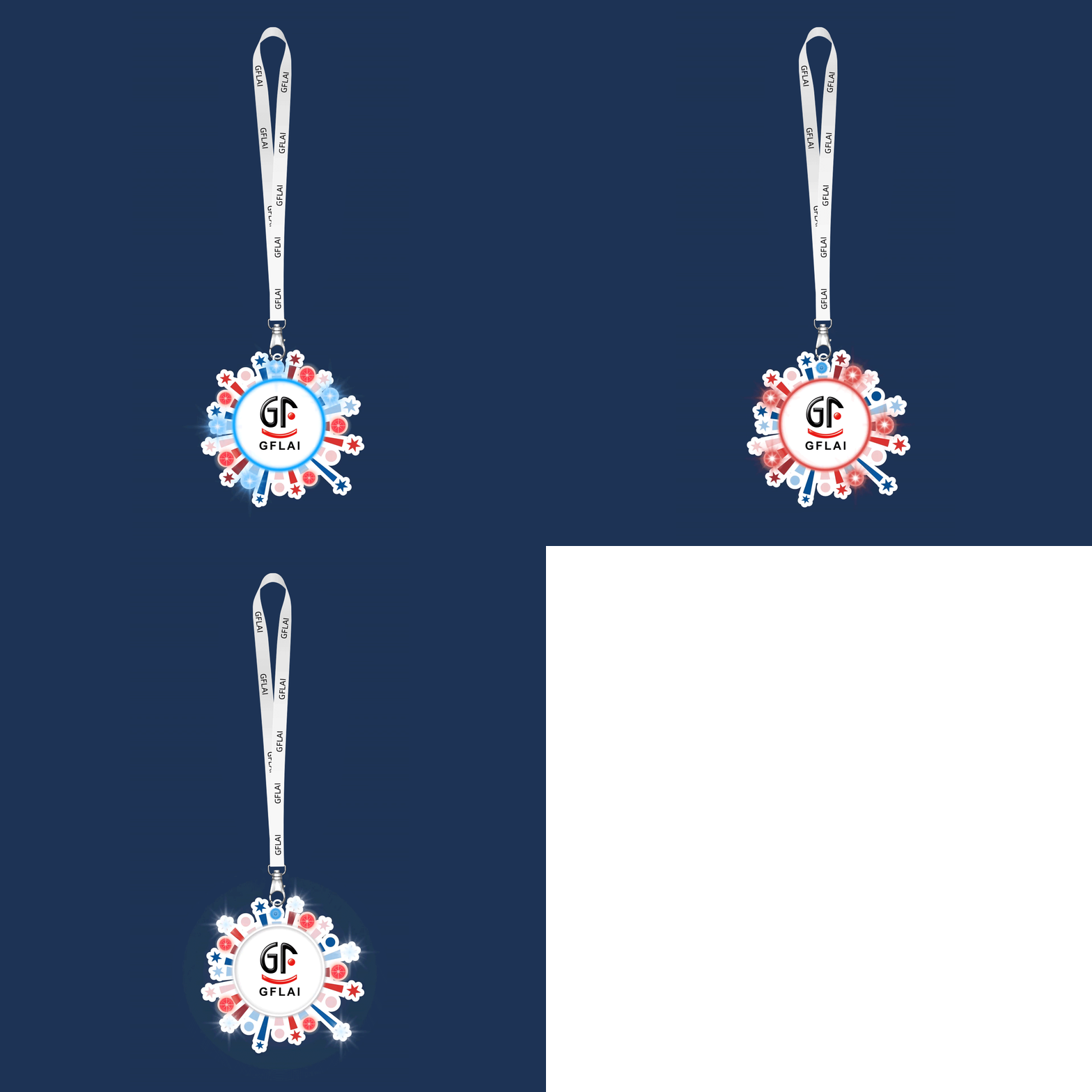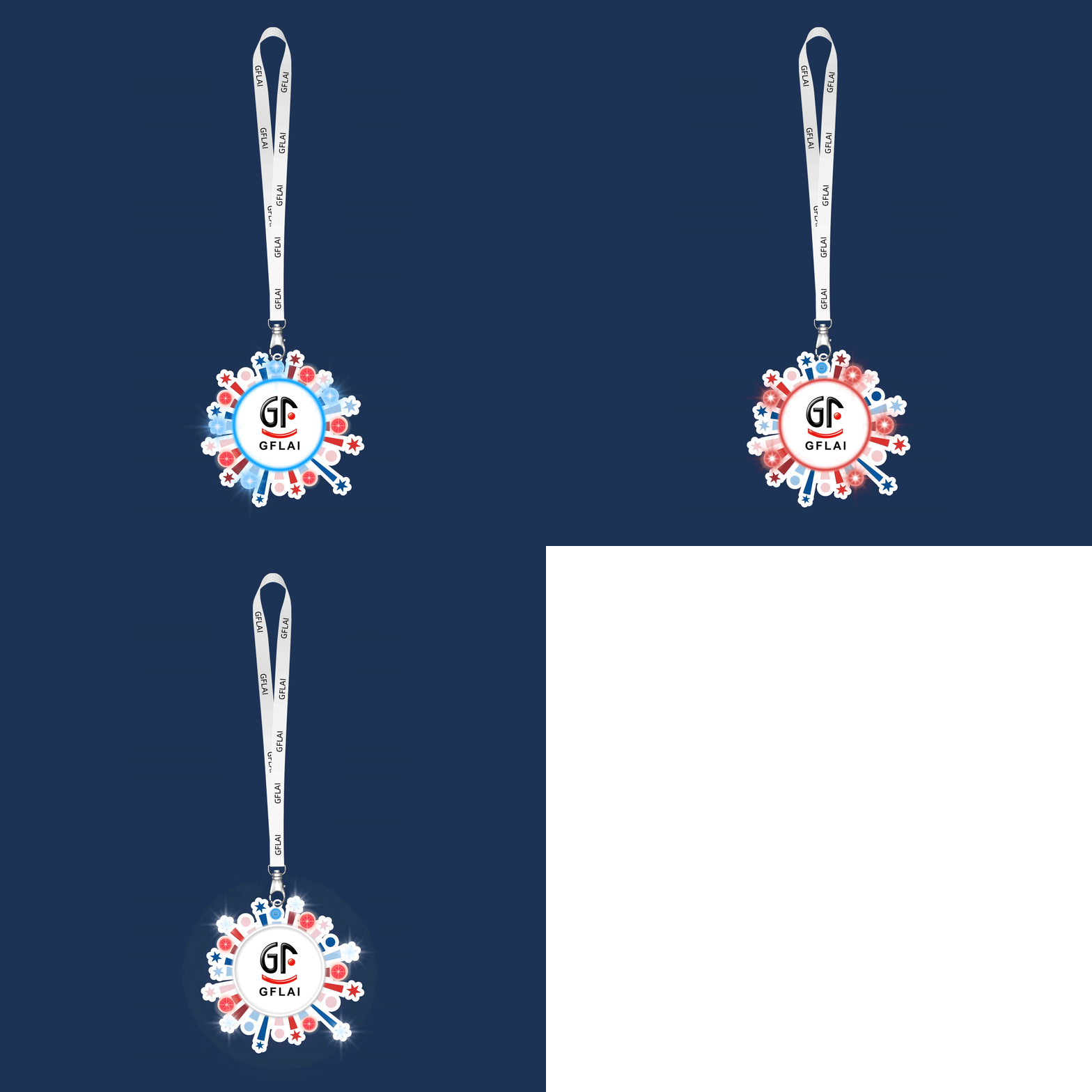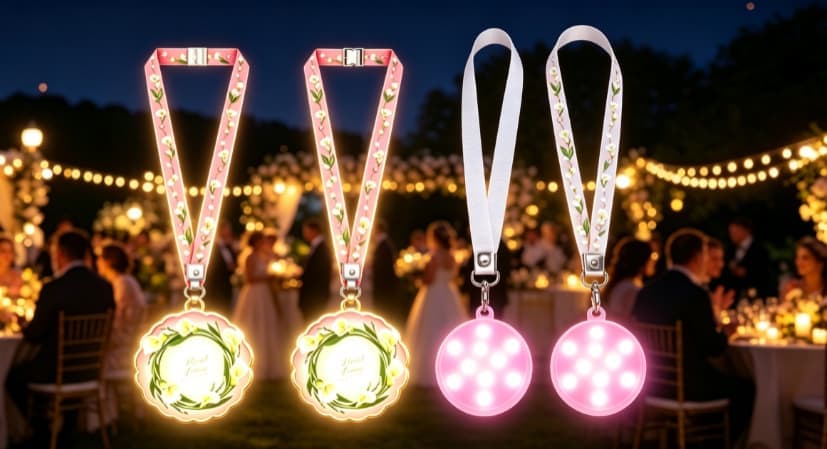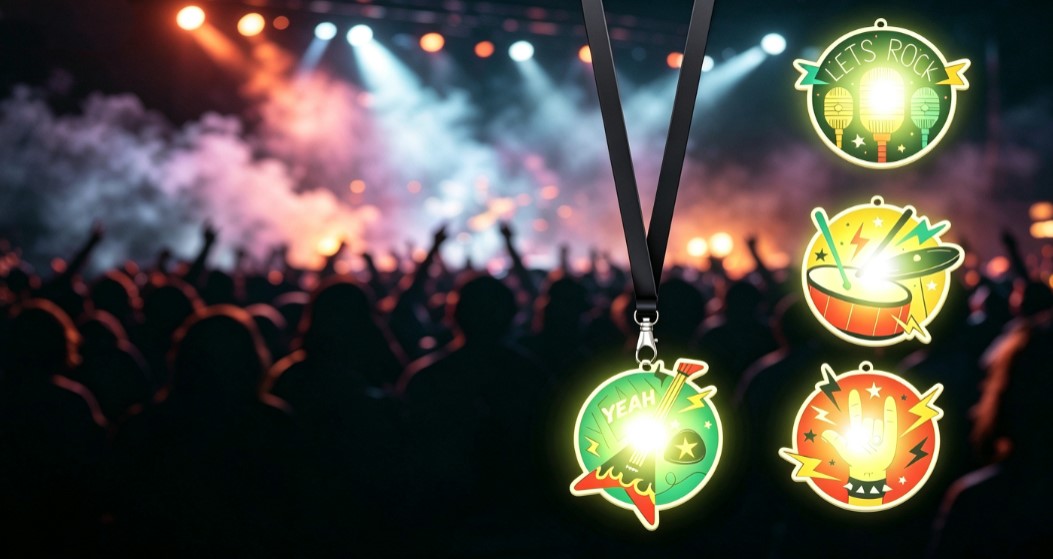
Each application uses the flashing feature differently. Some need slow, ambient pulses. Others require fast strobes for maximum visibility. Match the flash mode to the use case.
Each flash mode is designed for a specific visibility or atmosphere need. The same lanyard can switch between all four modes via the push button or remote.
Gentle on-off cycle at approximately 1 flash per second. The slowest pattern creates a calm, rhythmic pulse. Best for ambient audience effects, VIP credentials, and environments where the flash should enhance rather than dominate. Recommended for galas, corporate events, and evening receptions.
Rapid on-off cycle at approximately 3 flashes per second. Increased frequency makes the lanyard highly visible from a distance and in brightly lit environments. Best for crowd identification, safety marking, staff location in large venues, and traffic management.
Intense high-speed flash at approximately 10 flashes per second. Creates a dramatic, high-energy effect. Best for concert drops, EDM stages, grand entrances, and synchronized show moments where maximum attention is required. Not recommended for prolonged wear due to intensity.
Smooth transition between colors with no abrupt on-off switching. LED brightness ramps up and down gradually, cycling through 7 RGB colors. Best for ambient decoration, VIP areas, brand events, and refined environments where a non-intrusive light effect is preferred.
The difference between a static light and a flashing light is not just visual — it affects visibility distance, attention capture, battery life, and audience perception.
| Factor | Flashing LED | Static LED |
|---|---|---|
| Visibility distance | Up to 200m in dark conditions | 30-50m depending on brightness |
| Attention capture | High — motion triggers peripheral vision | Low — blends into ambient light |
| Battery consumption | 50-70% of static (LED on half the time) | 100% duty cycle (constant drain) |
| Battery life impact | 30-50% longer runtime than static | Baseline runtime |
| Crowd effect | Dynamic, creates visual rhythm | Static glow, no movement |
| Safety identification | Instantly identifies staff in crowds | May be confused with attendee lights |
| Photography compatibility | Strobe may cause flicker on video | Steady light, camera-friendly |
| Best use case | Crowd energy, safety, visibility | Elegant ambient, photography, ID |
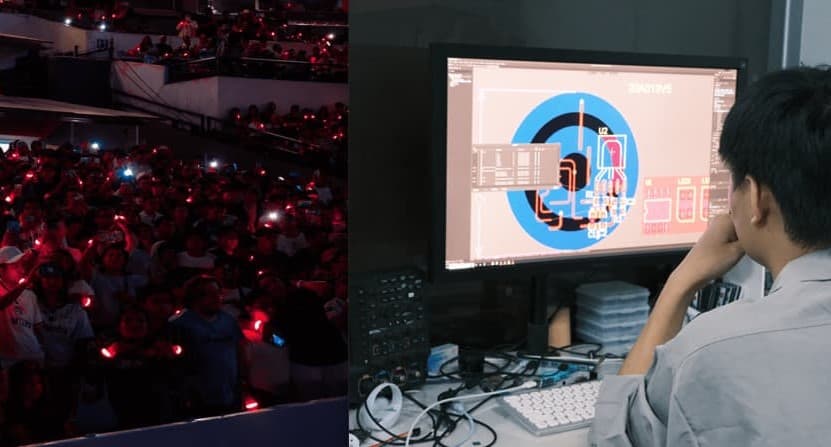
Every flashing LED lanyard is assembled and tested at our Shenzhen facility. The flashing pattern is not an add-on feature — it is a core function of the microcontroller firmware. Because we design the PCB and write the firmware in-house, the flash timing is consistent across every unit in the batch.
Each lanyard undergoes a flash test during QC: all 4 modes are cycled, all 7 colors are verified, and the button response is checked. Units that fail the flash test are rejected before packing. For batch consistency, we test random samples from each production run to confirm flash frequency stays within 5% of the target specification.
Flash testing station — Shenzhen, China
Tell us your flash mode preference, quantity, and application. We respond within 24 hours with a detailed quotation.
Fill in your details below and our sales team will get back to you.